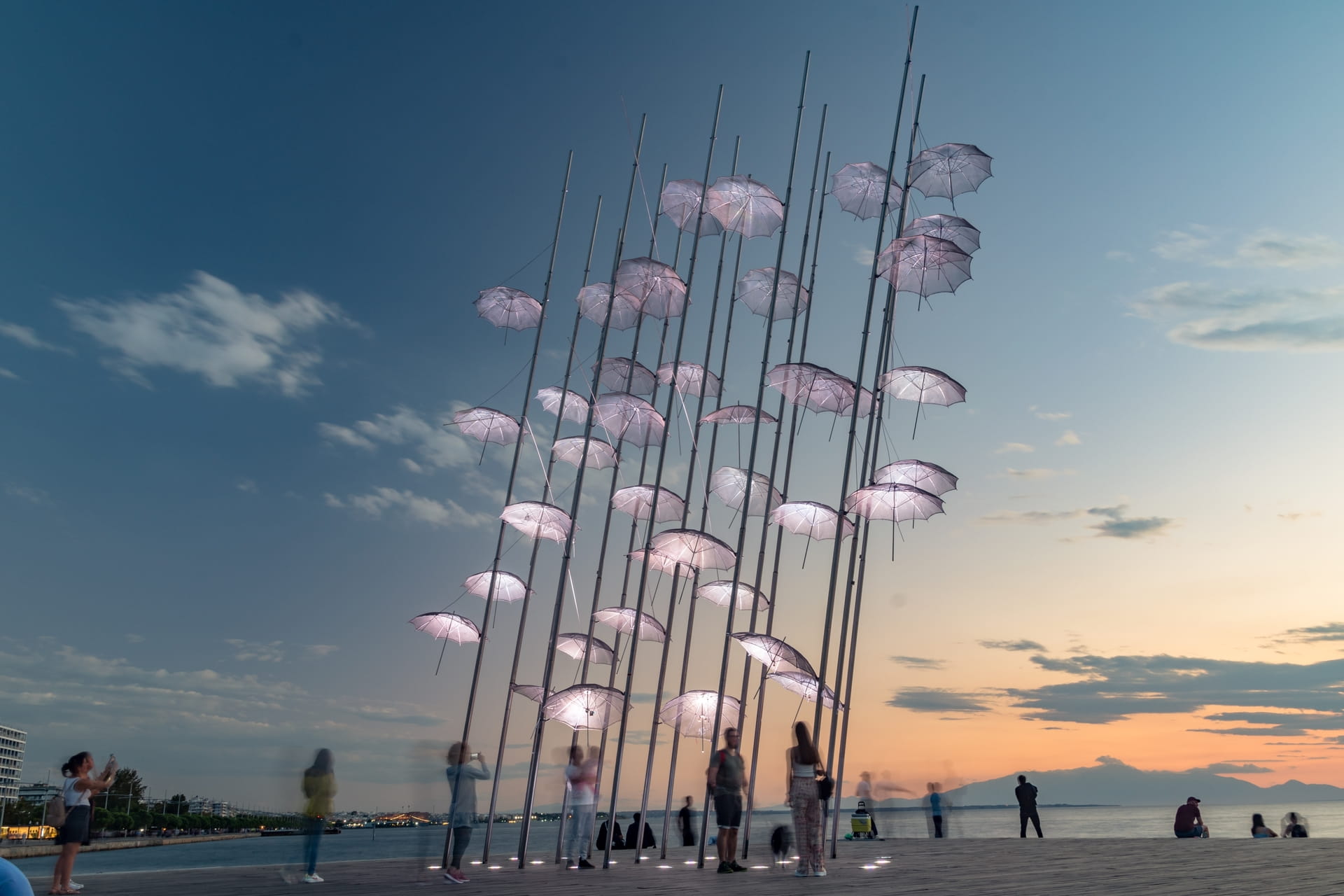
Greece’s first English-taught clean-energy BScBachelor of Science · 4 years · 240 ECTS

The clean-energy transition needs graduates who can engineer it.

An English-taught, four-year Bachelor of Science that places clean energy at the centre of engineering education — delivered by three Schools of a research-intensive European public university, with accessible tuition for international students.

View Admissions Explore the academic pathway 40 places · €8,000 per year
40
student places
per year
€8,000
tuition fee
per year
4 yrs
8 semesters
full-time study
240
ECTS
credits
Level 6
European Qualifications
Framework
01Programme Rationale and Academic Focus

Many programmes approach the energy transition primarily through policy, management or environmental debate. This BSc places engineering analysis, laboratory work and system design at the centre of the student experience.

Common approach

Clean energy as a broad theme

  • Framed mainly through policy, management or regulation
  • Limited exposure to core engineering analysis
  • Generalist study before technical specialisation
  • System design often postponed to postgraduate level
Academic focus

Clean energy, engineered from the first year

Students progressively model, design and evaluate energy technologies using engineering methods, laboratory evidence and computational tools. From the first semesters, the emphasis is on building, measuring and improving real systems rather than discussing them in the abstract.

Engineering analysis, computational modelling and laboratory experimentation run through the curriculum together. Students work directly with thermofluids and energy systems, electrochemical and hydrogen storage, clean combustion, smart grids and life-cycle assessment — the analytical and experimental core of the clean-energy sector.

As they advance, scientific principles are connected to applied engineering practice across energy production, conversion, storage and sustainability. The result is graduates who can size an installation, interpret performance data and optimise an energy system from end to end.

European academic framework

Designed for international academic mobility

Graduates receive a Bachelor of Science degree worth 240 ECTS, structured within the European Higher Education Area and the Bologna Process. This supports academic transparency, international comparability and progression to further study in Europe and beyond.

Within this European academic environment, students may also pursue exchange opportunities such as Erasmus+, gaining international study experience during their degree.

02Participating Schools and Academic Structure

Three Schools of Aristotle University of Thessaloniki contribute to the full clean-energy value chain: fundamental science, engineering design and applied technologies. Together, they provide an interdisciplinary academic environment for international students.
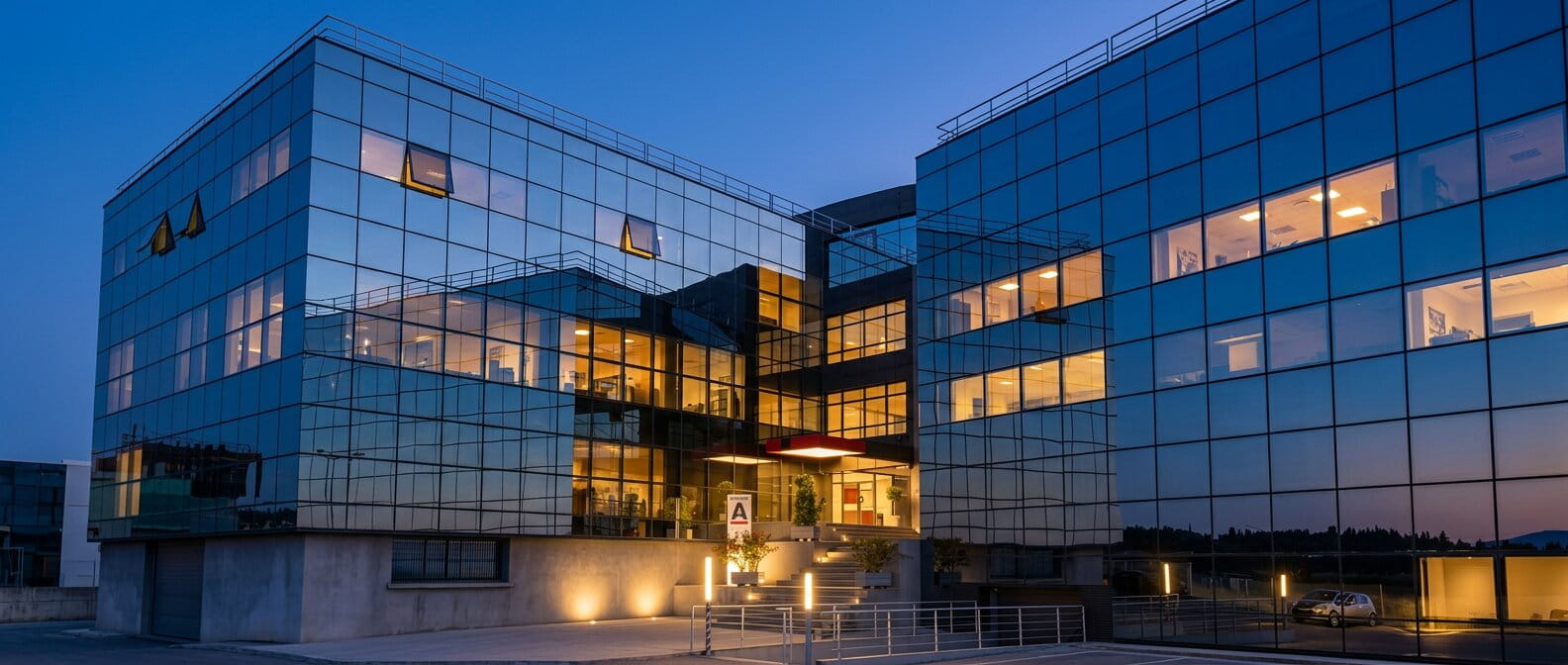
Clean-energy chemistry laboratory
School of Chemistry · Scientific foundations

Scientific foundations

Electrochemistry, materials chemistry and molecular processes explain how energy is stored, converted and transported in batteries, fuel cells and hydrogen technologies.

31
researchers in the global top 2%
6
research laboratories
Academic contribution · Scientific foundations
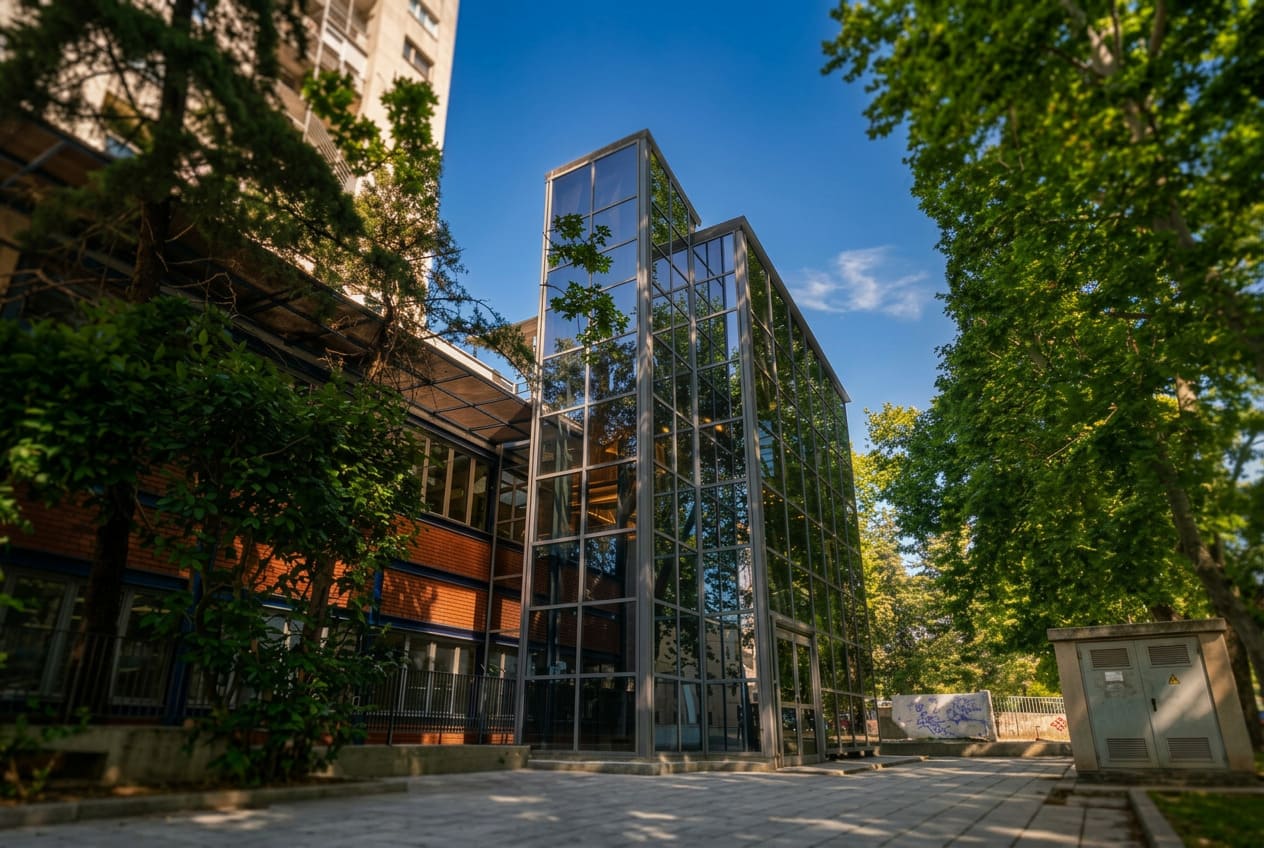
Renewable-energy engineering systems
School of Mechanical Engineering · Engineering design

Engineering analysis and design

Thermofluids, combustion, energy systems and smart grids connect scientific principles with engineered installations, industrial processes and infrastructure. The School of Mechanical Engineering coordinates the programme.

130+
publications per year
Lead
coordinating School
Academic contribution · Engineering design
Applied bioenergy and agricultural systems
School of Agriculture · Applied systems

Applied technologies and bioprocesses

Biomass, bioenergy, land use and life-cycle impact connect clean-energy technologies with food systems, water resources and environmental performance in applied production contexts.

1st
in Greece · agricultural sciences
~135th
worldwide · NTU 2024
Academic contribution · Applied systems
Integrated academic pathway
Science Engineering Application

A structured learning journey that connects scientific foundations, engineering design and applied clean-energy technologies.

03Research Expertise

Students learn inside a public, research-active university. The three participating Schools bring established, externally recognised research strength to clean-energy education.

10School of Chemistry
Highly ranked scholars
Ten faculty rank among ScholarGPS Highly Ranked Scholars — the top 0.05% of academics worldwide.
€15M+Mechanical Engineering
Funded research activity
Externally funded research in the School of Mechanical Engineering over the last five years.
58thSchool of Agriculture
Top in Europe for its field
58th among European universities in Agricultural Sciences — QS World University Rankings by Subject 2025.

Academic leadership across three participating Schools.

Full faculty directory →

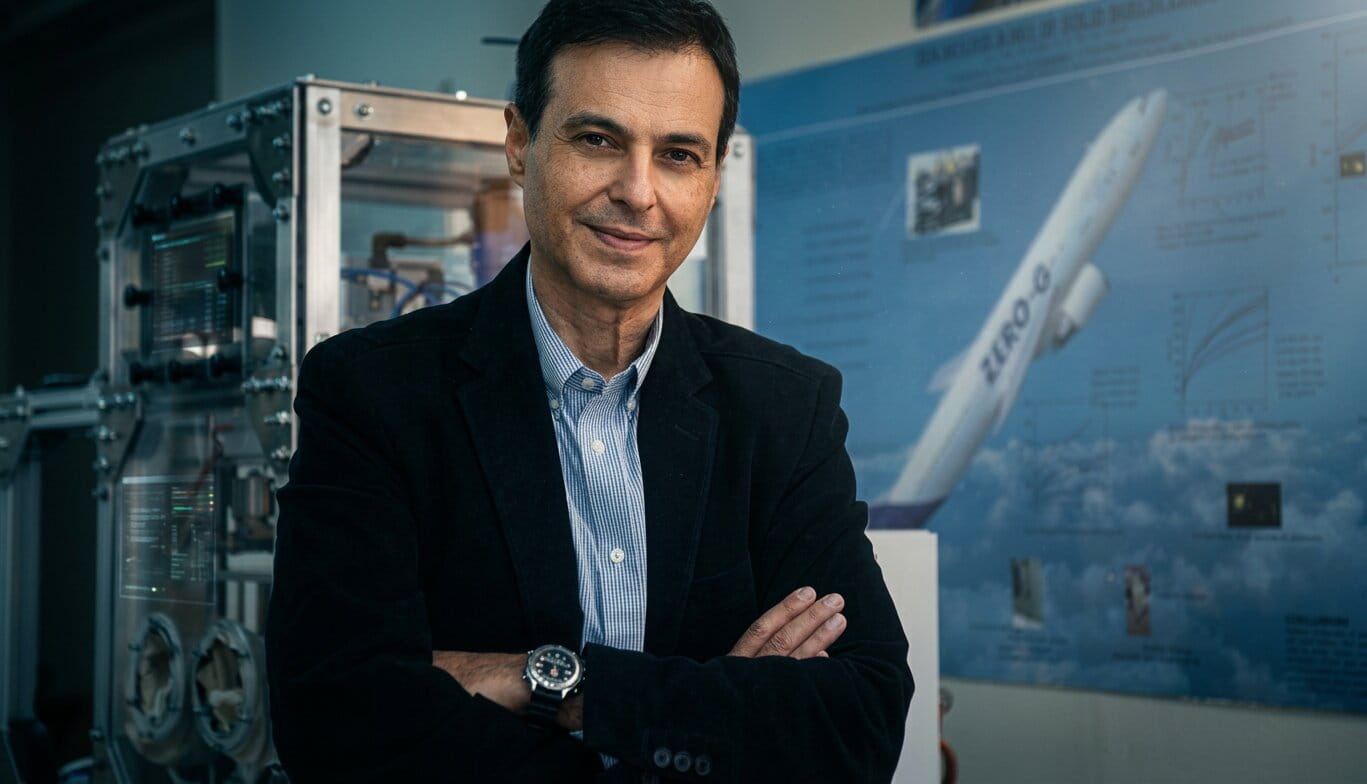
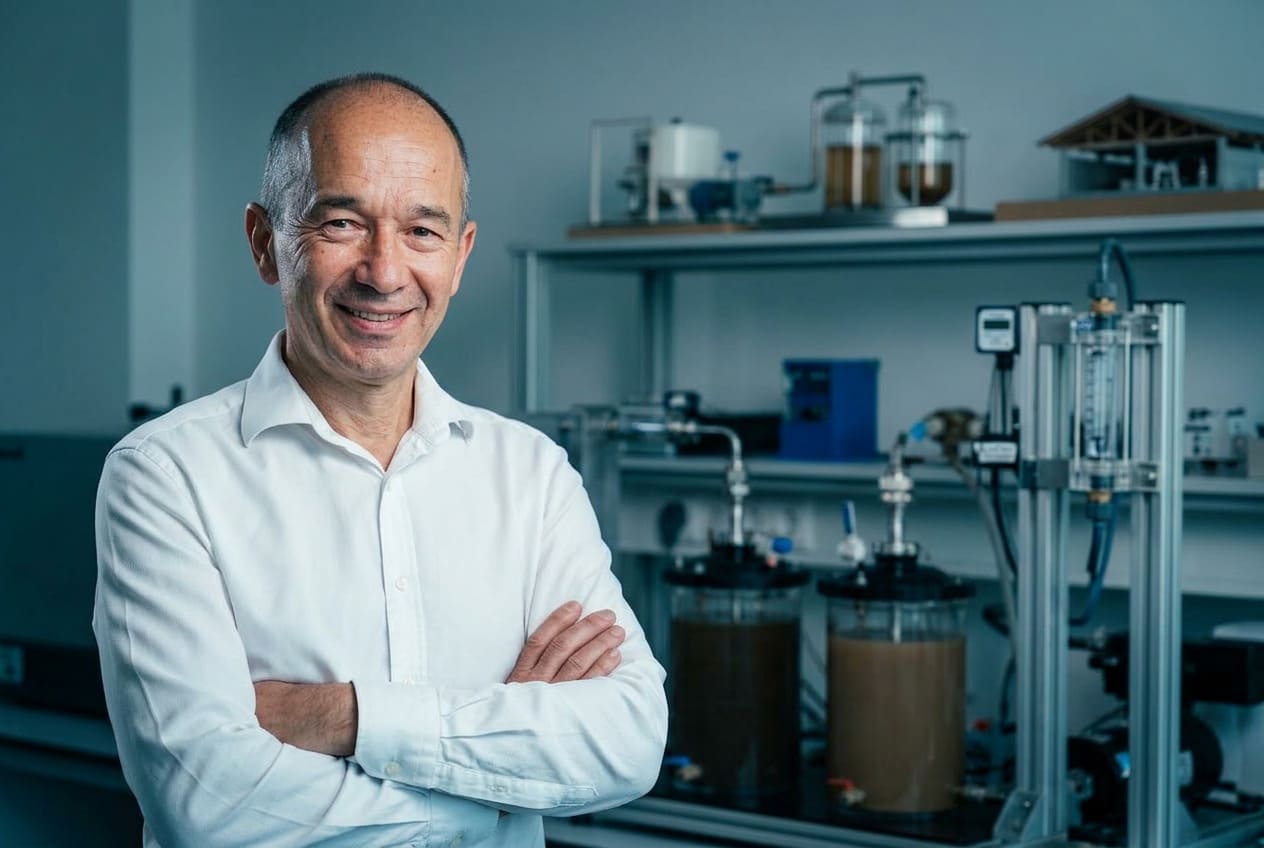
Academic visual for the School of Chemistry
Head @ School of Chemistry
Prof. Theodoros Karapantsios
Professor Theodoros Karapantsios is a leading researcher in chemical and environmental technology, with 220+ scientific publications, 6 patents, and coordination of more than 110 European, national, and industrial research projects. He serves as Greece's delegate to the European Space Agency and has led pioneering projects ranging from International Space Station water systems to SARS-CoV-2 wastewater monitoring in Thessaloniki.
Academic visual for the School of Mechanical Engineering
Head @ School of Mechanical Engineering
Prof. Christos Vlachokostas
Professor Christos Vlachokostas is a leading expert in sustainability engineering, circular economy, and energy resource management, with 160+ scientific publications, an h-index of 31, and participation in more than 60 EU research projects. As Director of the Sustainability Engineering Laboratory and Head of the Center for Interdisciplinary Research and Innovation at AUTh, he combines academic excellence with major public-sector leadership in environmental strategy, energy policy and national sustainability initiatives.
Academic visual for the School of Agriculture
Head @ School of Agriculture
Prof. Thomas Kotsopoulos
Professor Thomas Kotsopoulos is a distinguished academic in agricultural structures and sustainable energy systems. His work focuses on the energy design of animal waste management facilities, renewable energy applications in agriculture, biogas and biohydrogen production, geothermal systems, and energy efficiency in agricultural infrastructure. As Director of the Laboratory of Agricultural Structures and Equipment, he contributes to the development of sustainable, low-carbon solutions for modern agricultural production and environmental protection.
04Learning Experience and Career Pathways
Campus environment

Academic facilities and student life
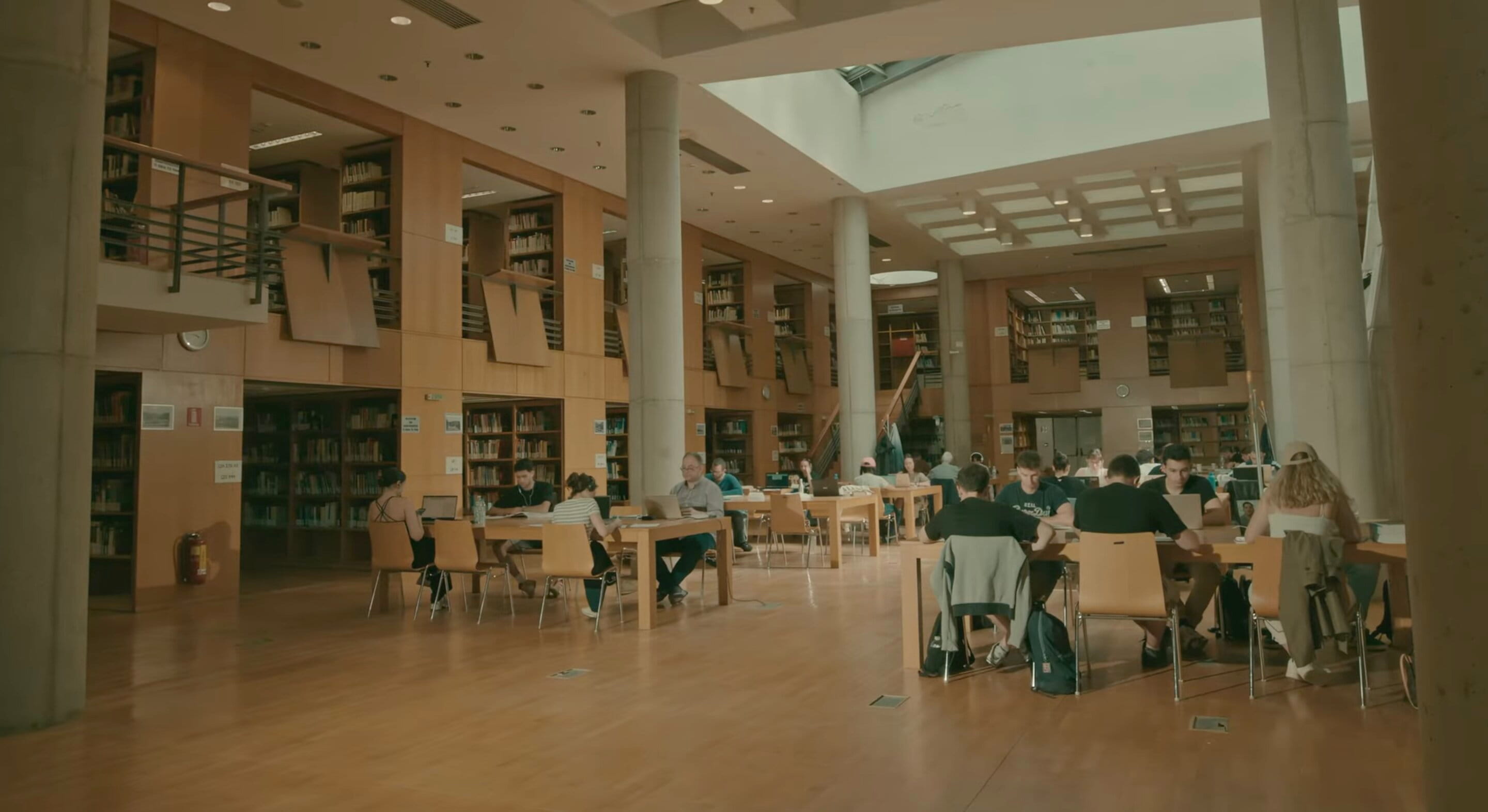
Collaborative university learning space @AUTh Central Library
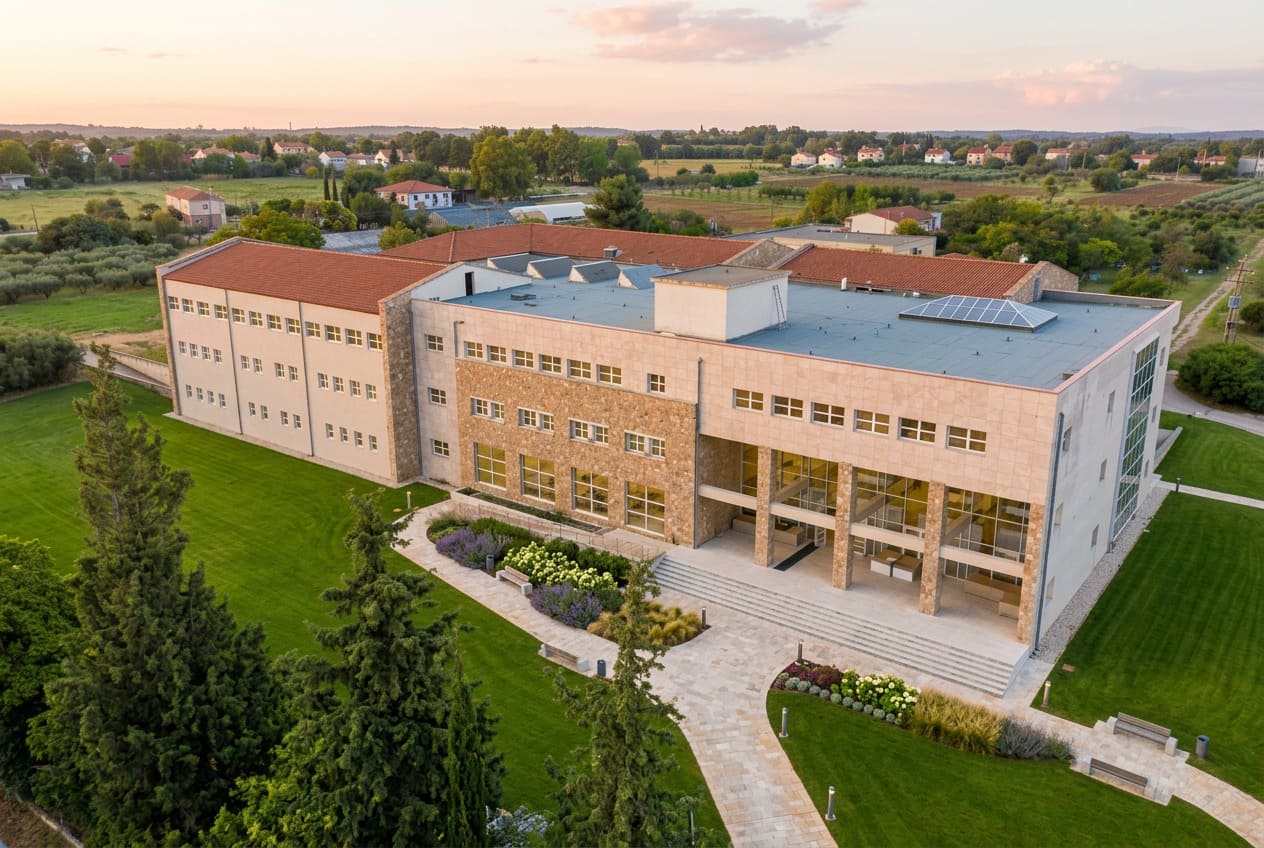
University campus environment @Main Campus in the Heart of the City
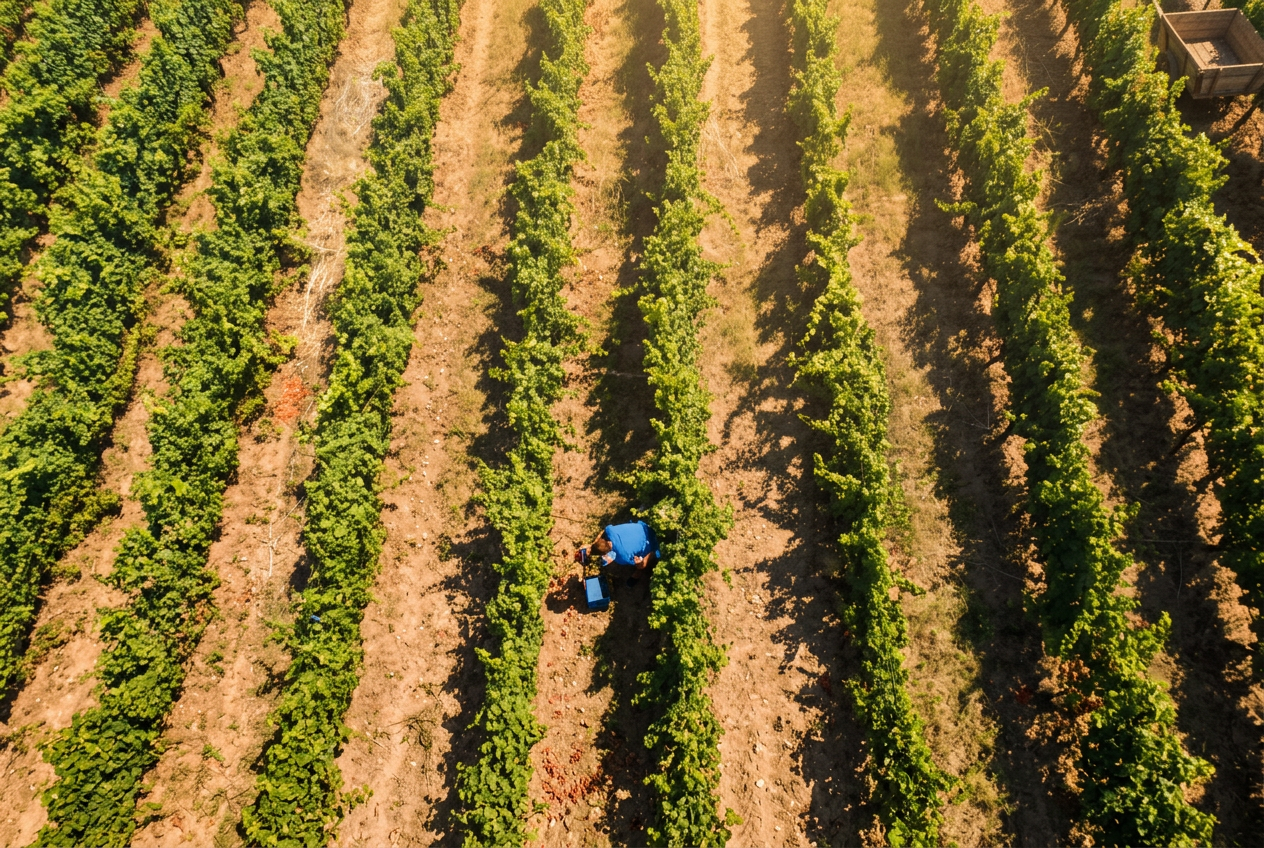
The School of Agriculture's 180-hectare educational farm beside the city @180-hectare University Farm · beside the city
Learning model

A coherent academic progression

The eight-semester curriculum (240 ECTS) is designed as a coherent progression from scientific foundations to applied clean-energy engineering, laboratory practice and interdisciplinary project work.

Laboratory learning from the early semesters

Students begin with laboratory and computational training in physics, chemistry and engineering. Seventeen courses include laboratory components, combining simulation, experimental measurement and hands-on investigation.

Applied learning in energy systems

As the programme advances, scientific principles are connected with real applications in energy production, conversion, storage, distribution and sustainability assessment.

Project-based learning

Interdisciplinary projects combine scientific analysis with engineering judgement. Laboratory projects and case studies address real challenges in system efficiency, environmental performance and clean-technology deployment.

Step-by-step academic development

Learning outcomes become progressively more advanced, integrating chemistry, thermofluids, materials, data analysis, systems engineering and sustainability perspectives.

Competence built through structured progression

Progression is supported by defined academic and laboratory requirements, helping students graduate with analytical competence, technical confidence and engineering literacy.

Career and study pathways

Seven career pathways the degree prepares you for

These representative pathways are linked to courses within the curriculum, showing how academic study translates into professional preparation and postgraduate opportunities.

01

Clean Energy Systems Engineer

Design, analyse and integrate energy systems from generation and conversion to storage, distribution and end use.
Energy SystemsThermofluidsSmart Grids
02

Sustainability and Energy Consultant

Assess environmental impact, support decarbonisation strategies and translate technical evidence into organisational decision-making.
Life-Cycle AssessmentData AnalyticsEnergy Systems
03

Energy Systems Analyst

Model demand, energy flows and system performance to support efficient operation of grids, plants and hybrid energy assets.
Data AnalyticsSmart GridsEnergy Systems
04

Hydrogen and Energy Storage Specialist

Contribute to the design and evaluation of hydrogen, battery and electrochemical storage technologies.
Hydrogen & Fuel CellsElectrochemical StorageEnergy Materials
05

Clean Technology Analyst

Evaluate emerging clean technologies using technical, environmental and economic performance indicators.
Renewable Energy TechLife-Cycle AssessmentData Analytics
06

Research and Development Engineer

Support experimental development, prototyping and testing of materials, processes and components for next-generation energy technologies.
Energy MaterialsClean CombustionElectrochemical Storage
07

Renewable Energy Engineer

Design, size, evaluate and support the deployment of renewable and hybrid energy installations.
Renewable Energy TechThermofluidsSmart Grids
Explore the full curriculum → 8 semesters · 240 ECTS · laboratory and project-based learning
05 Programme News and Updates

Programme updates and academic context for international students interested in Clean Energy Science and Engineering.

06Studying in Thessaloniki

Study in Thessaloniki — an international university city with an accessible cost of living.

Thessaloniki offers international students the scale and opportunities of Greece’s second-largest city, combined with the warmth, accessibility and everyday rhythm of a Mediterranean student destination. With comparatively affordable living costs, strong air connectivity, a coastal urban lifestyle, a rich cultural and food scene, and a welcoming local community, the city provides a supportive environment for studying, living and building international connections.


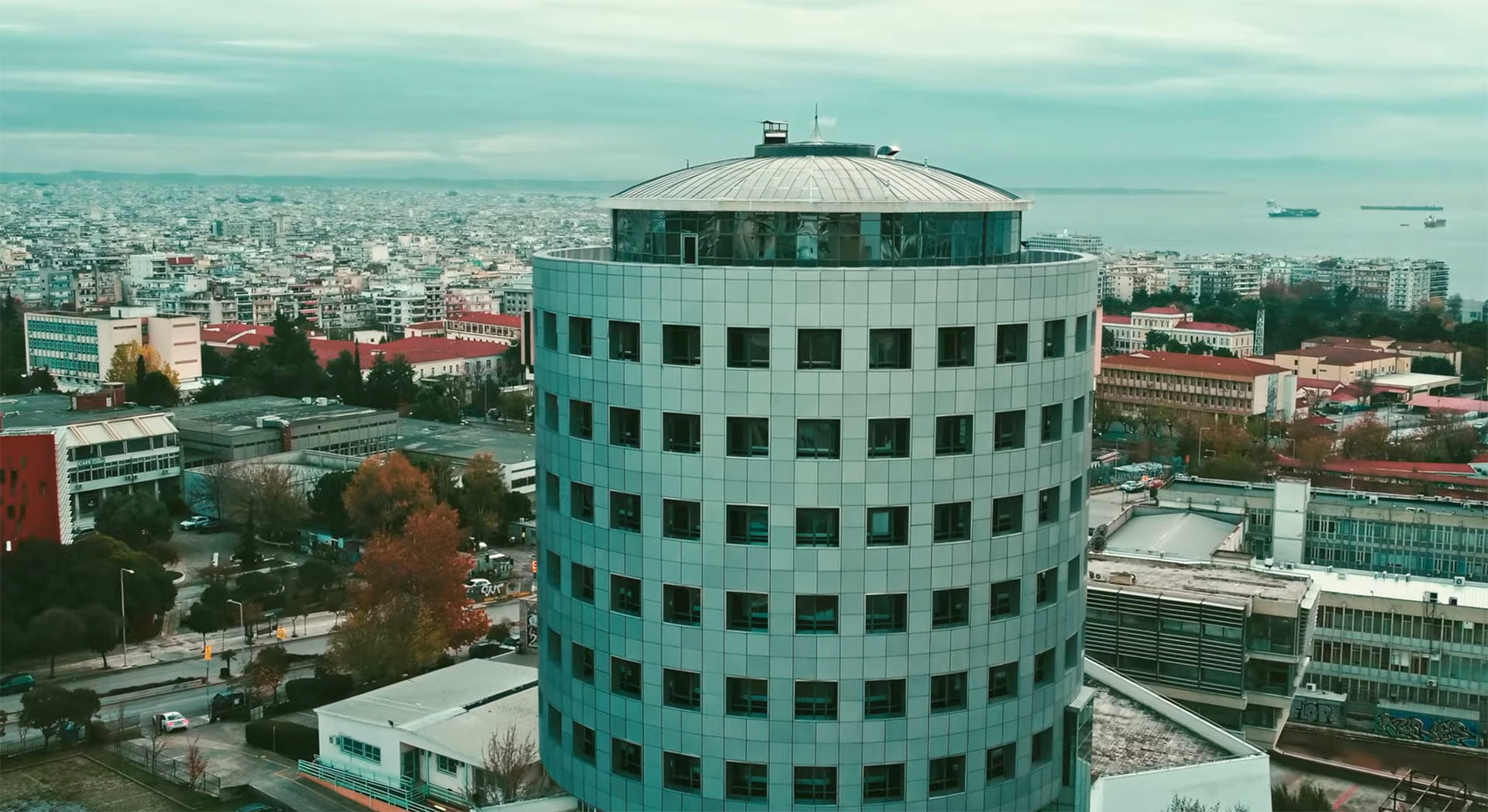
Aerial view of Thessaloniki and its seafront
The White Tower of Thessaloniki
Urban life in central Thessaloniki
Historic architecture in Thessaloniki
Avg. monthly living cost
€600–800
Estimated student budget
Direct flights
90+ destinations
Across Europe and beyond
Mediterranean lifestyle
Climate · food · culture
A coastal city with year-round appeal
Safety
Friendly student city
Welcoming and easy to navigate
Greek hospitality
Open local culture
A warm environment for international students
07 — Graduate Profile and Future Opportunities

Graduates prepared to design, evaluate and optimise clean-energy systems.

The programme prepares graduates for technical roles across the energy sector and for advanced study at master’s and doctoral level in Greece and internationally.

Skip to main content