One of Europe's largest universities. One of its most liveable cities.
AUTh is Greece's flagship public university — a century of research leadership, faculty in the global top 2%, and a campus at the heart of a city that has welcomed students from across the world for centuries.
Greece's largest and most research-intensive university.
Founded in 1925, the Aristotle University of Thessaloniki is the largest university in Greece and one of the most important research universities in south-eastern Europe. With 11 Schools, 41 departments and over 40,000 students, it combines deep disciplinary expertise with broad interdisciplinary collaboration.
AUTh ranks among the top universities globally in the Academic Ranking of World Universities (ARWU) and holds leading national positions across several fields — including a School of Agriculture ranked first in Greece in the agricultural sciences and a School of Chemistry among the country's strongest.
As a public university of the Greek state, AUTh's degrees are automatically recognised across the European Higher Education Area and carry the full weight of EU academic and professional recognition.
A university measured by what it produces.
The strength of AUTh lies in the depth of its research and the international standing of its faculty. For Clean Energy students, it means learning from scientists actively advancing energy science across chemistry, engineering and agriculture.
The academic homes of the programme.
Clean Energy Science & Engineering is jointly run by three of AUTh's most research-active Schools — each contributing a distinct perspective to one interdisciplinary degree, with Mechanical Engineering as the coordinating School.
The coordinating School of the programme — its Director is a Mechanical Engineering professor. It brings expertise in energy systems and thermodynamics, turbomachinery and fluid mechanics, sustainable engineering, process and plant design, manufacturing and industrial management. Home of the award-winning Aristotle Racing Team.
Ranked first in Greece in Chemistry, it contributes the programme's scientific core — physical chemistry and electrochemistry for batteries, fuel cells and electrolysers, energy materials, and analytical and computational chemistry.
First in Greece in the agricultural sciences, it contributes expertise in bioenergy and biomass, alternative energy sources in agriculture, agricultural hydraulics and structures, soil science and agri-economics — supported by a 180-acre university farm.
A city that has always welcomed students from across the world.
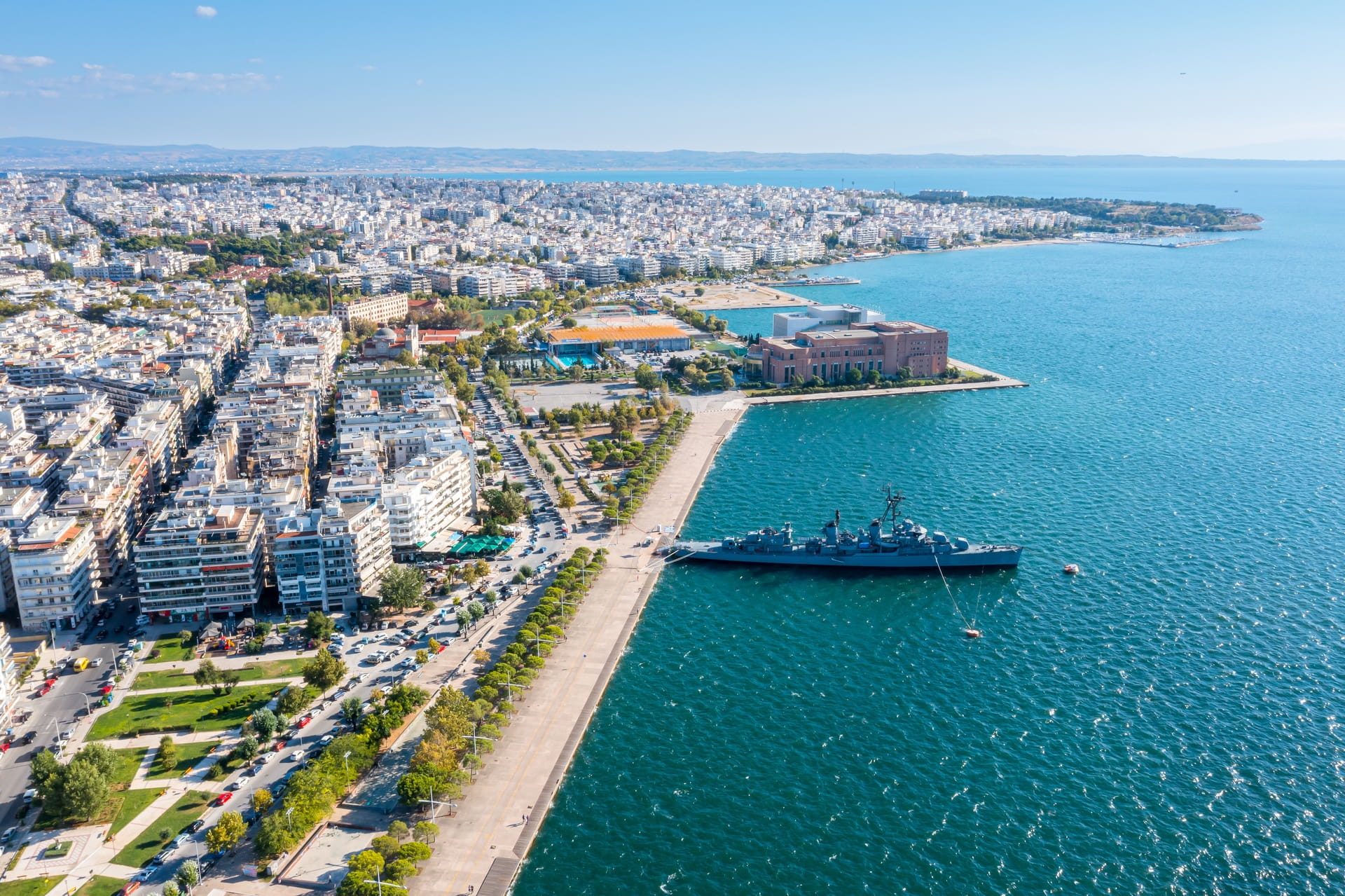
Thessaloniki is Greece's second city — a Mediterranean port at the crossroads of Europe, the Balkans and the Middle East. It is one of the most culturally rich, historically layered and student-friendly cities in Europe, and it is extraordinarily affordable. Just a short distance away lies Halkidiki, with the finest beaches in northern Greece.


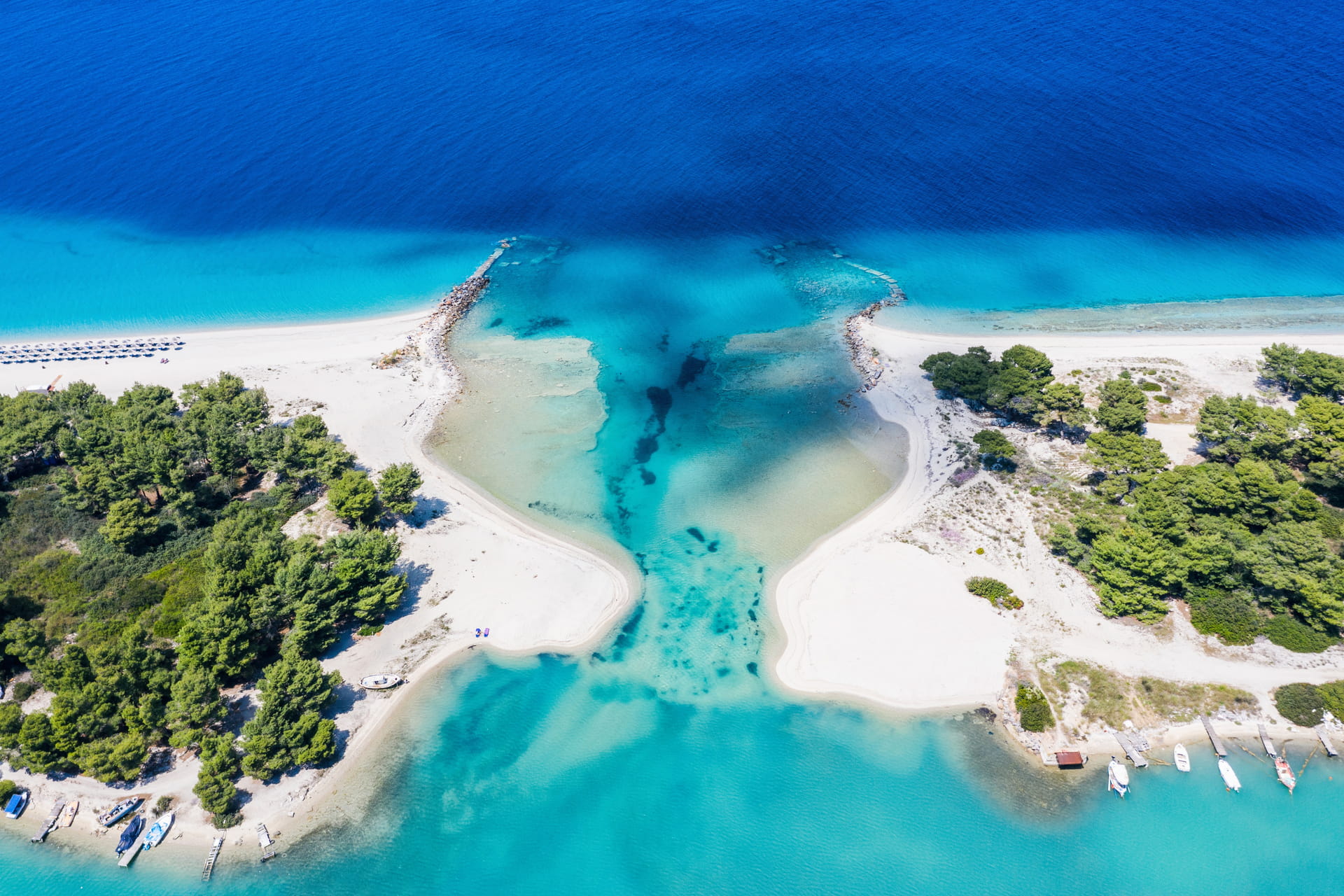
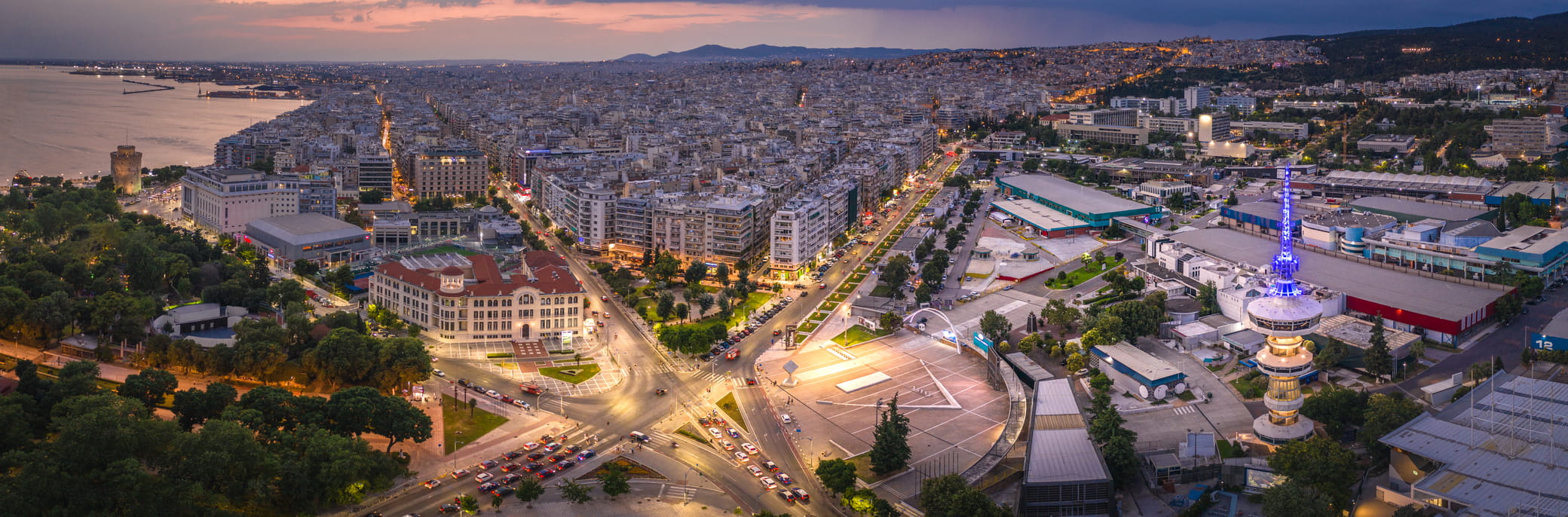
Thessaloniki is not a university town in the traditional sense — it is a proper city, with a metropolitan population of over one million, a thriving cultural scene, and a history stretching back more than 2,300 years. It was a major Byzantine imperial city, an Ottoman commercial centre and a cosmopolitan port long home to communities from across the Mediterranean.
It is the second-largest city in Greece and the administrative capital of Macedonia, connected internationally through Thessaloniki (SKG) airport.
Today it is home to over 150,000 students, making it one of the most student-dense cities in Europe per capita. A large, diverse student population, a vibrant food and music culture and a climate of mild winters and warm summers make it one of the most popular student cities in south-eastern Europe.
For international students, Thessaloniki offers what few European cities can: cosmopolitan without being expensive, safe without being isolated, and culturally familiar enough to feel like home — while being unmistakably, richly European.
Typical monthly costs for a student living independently in Thessaloniki. Shared accommodation reduces these further.
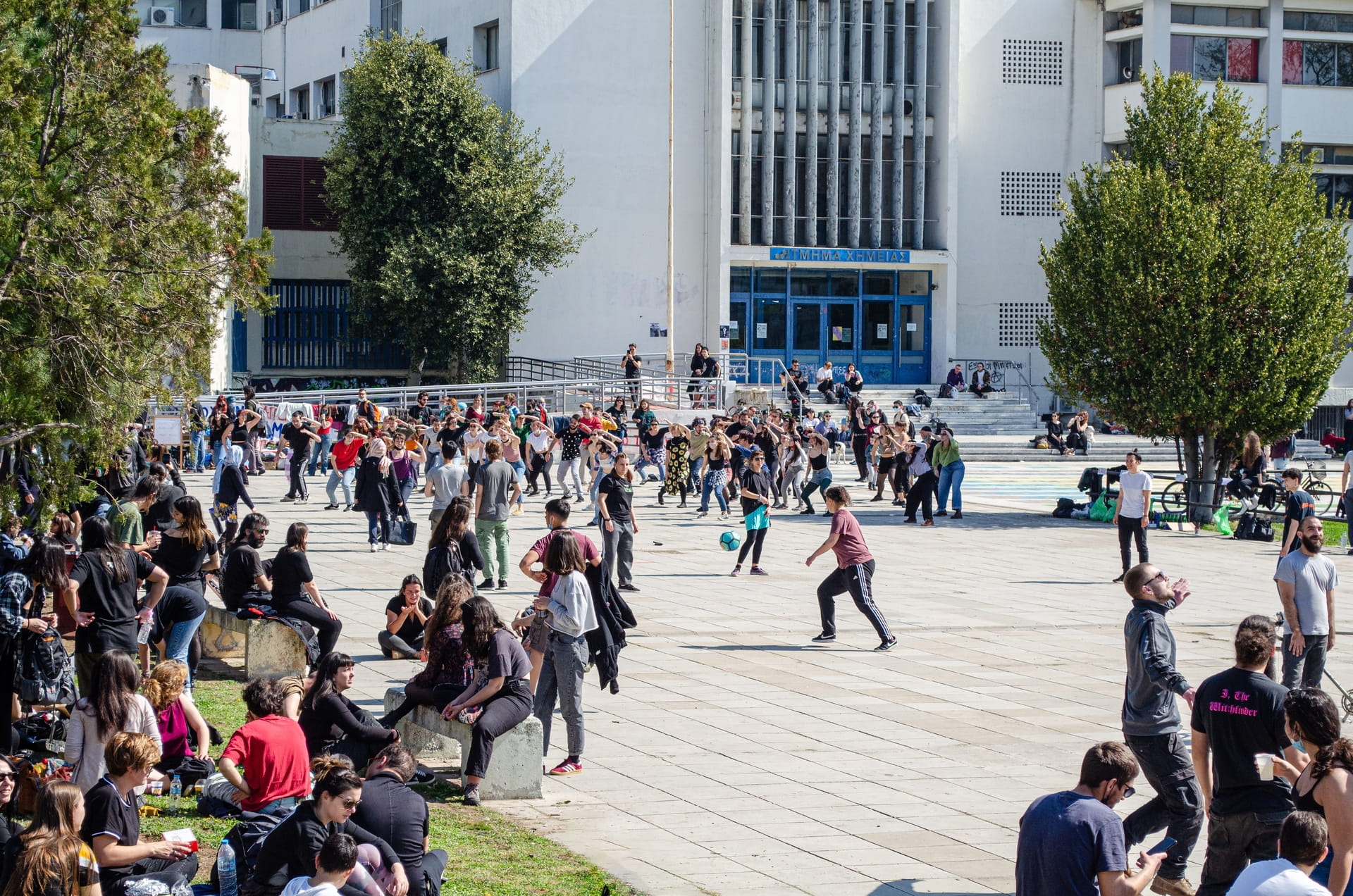
A self-contained campus in the heart of a living city.
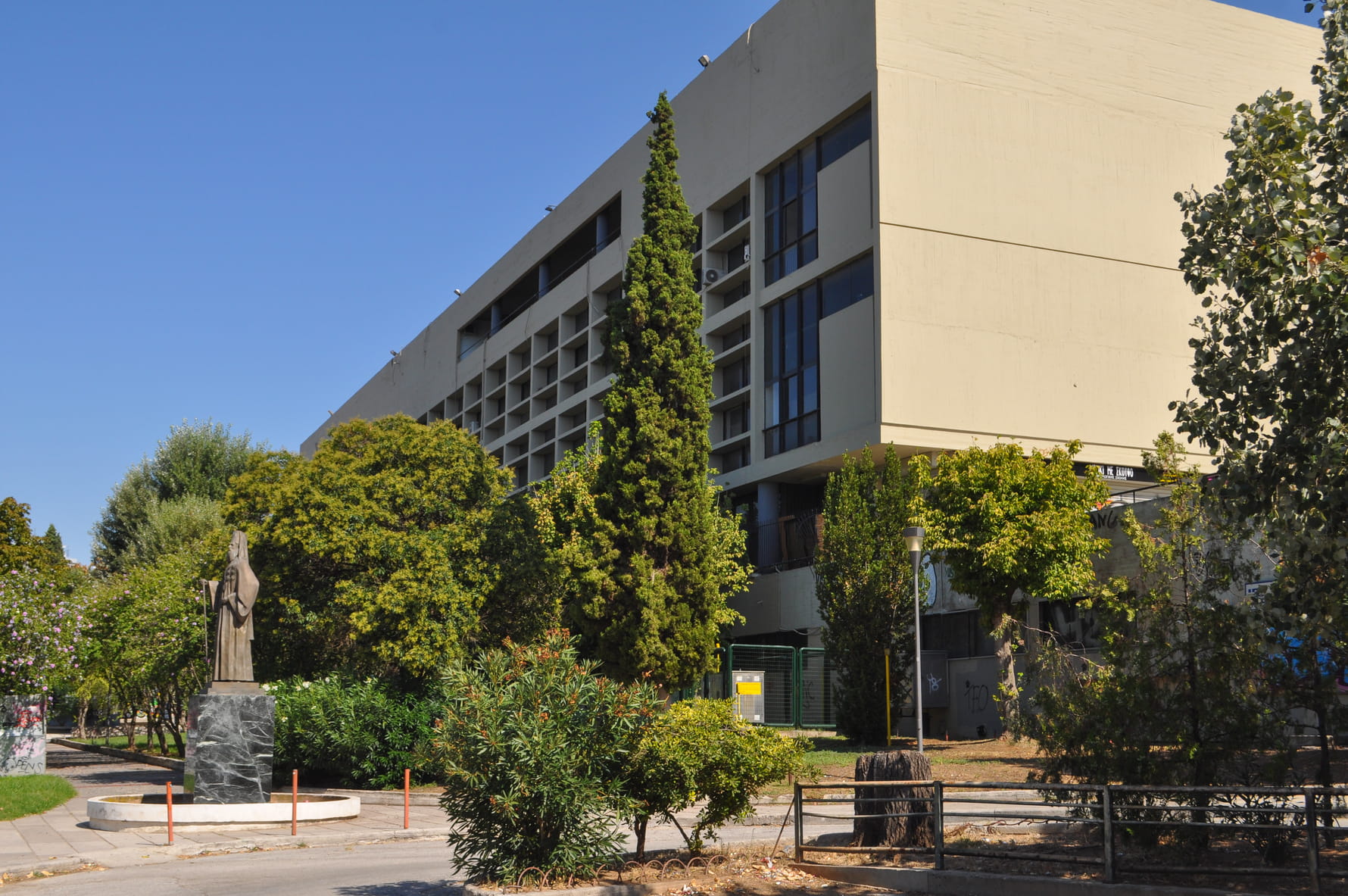
The AUTh campus is one of the largest in south-eastern Europe — a 33-hectare urban campus within the city, not on its outskirts. The Schools of Mechanical Engineering, Chemistry and Agriculture all sit on or around the main campus, so students have laboratories, libraries, student unions, cafés and sports facilities within walking distance.
The campus hosts a full range of student organisations, sports clubs, cultural societies and international networks. AUTh is an active participant in Erasmus+, with over 400 partner universities across Europe — opening exchange and summer-school opportunities throughout the degree.
Student support includes an international student office, academic counselling, psychological support and accommodation assistance. The student health service, campus libraries and digital resources are free for enrolled students.
Students can also enrol in AUTh's School of Modern Greek Language to learn Greek during the first three years of study.
A century of research.
300,000 alumni.
Greece's flagship university.
AUTh was founded in 1925 and named after Aristotle, the philosopher born in Stageira in northern Greece, whose legacy defines the university's commitment to empirical enquiry and disciplinary breadth.
Over a century it has educated hundreds of thousands of professionals — scientists, engineers, doctors, economists and artists — who have shaped modern Greece and contributed to institutions and industries worldwide. It remains Greece's largest university by enrolment and among its most research-active by output and funding.
Clean Energy Science & Engineering — Greece's first English-taught BSc of its kind, run jointly by three Schools — is a new chapter in that history: a programme built for an international generation that wants a European education without European prices.