The laboratories where your education becomes real.
This is not a teaching-only programme. You work in the same laboratories as AUTh's research teams — the same equipment, alongside the scientists who publish in top international journals.
Research-grade facilities. Teaching-level access.
At most universities, teaching labs are separate from research labs. At AUTh the distinction barely exists — the equipment you use as a third-year student is the same equipment the research group uses to produce results that appear in international journals.
This changes the nature of your education. You aren't practising techniques on simplified setups — you are working with real instruments, producing real data, and learning where textbook theory meets experimental reality. That gap is where clean-energy engineers are made.
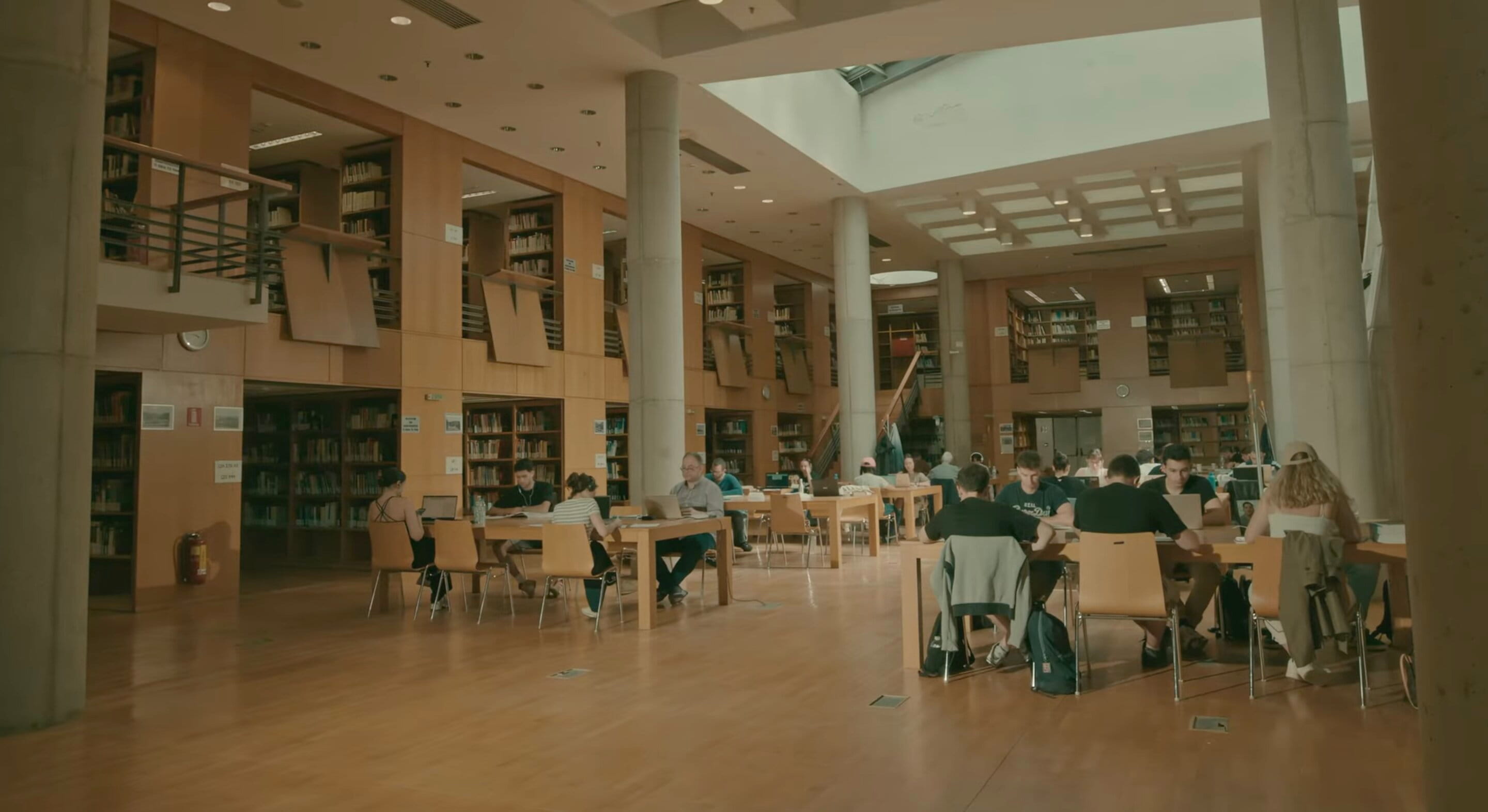
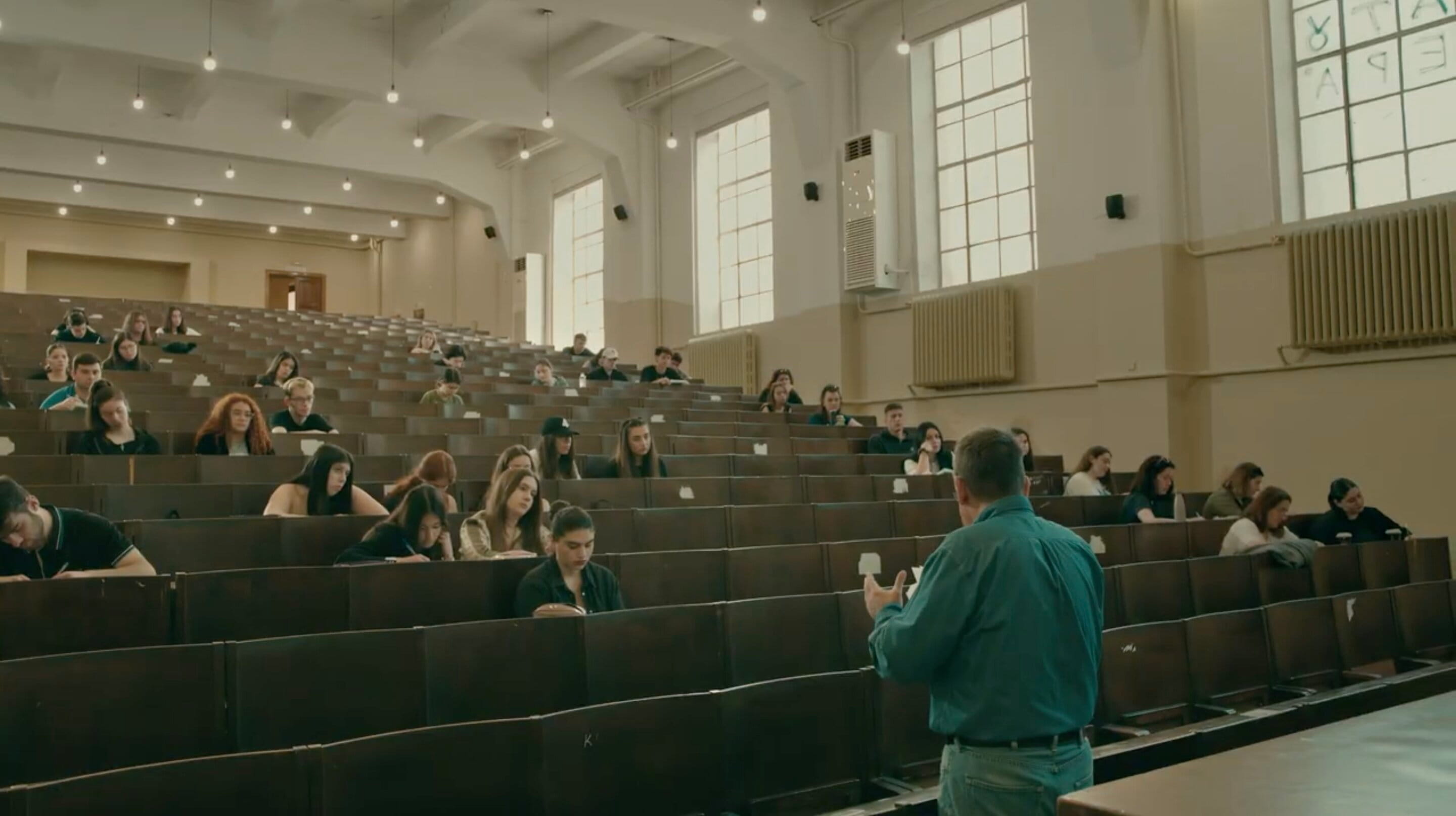
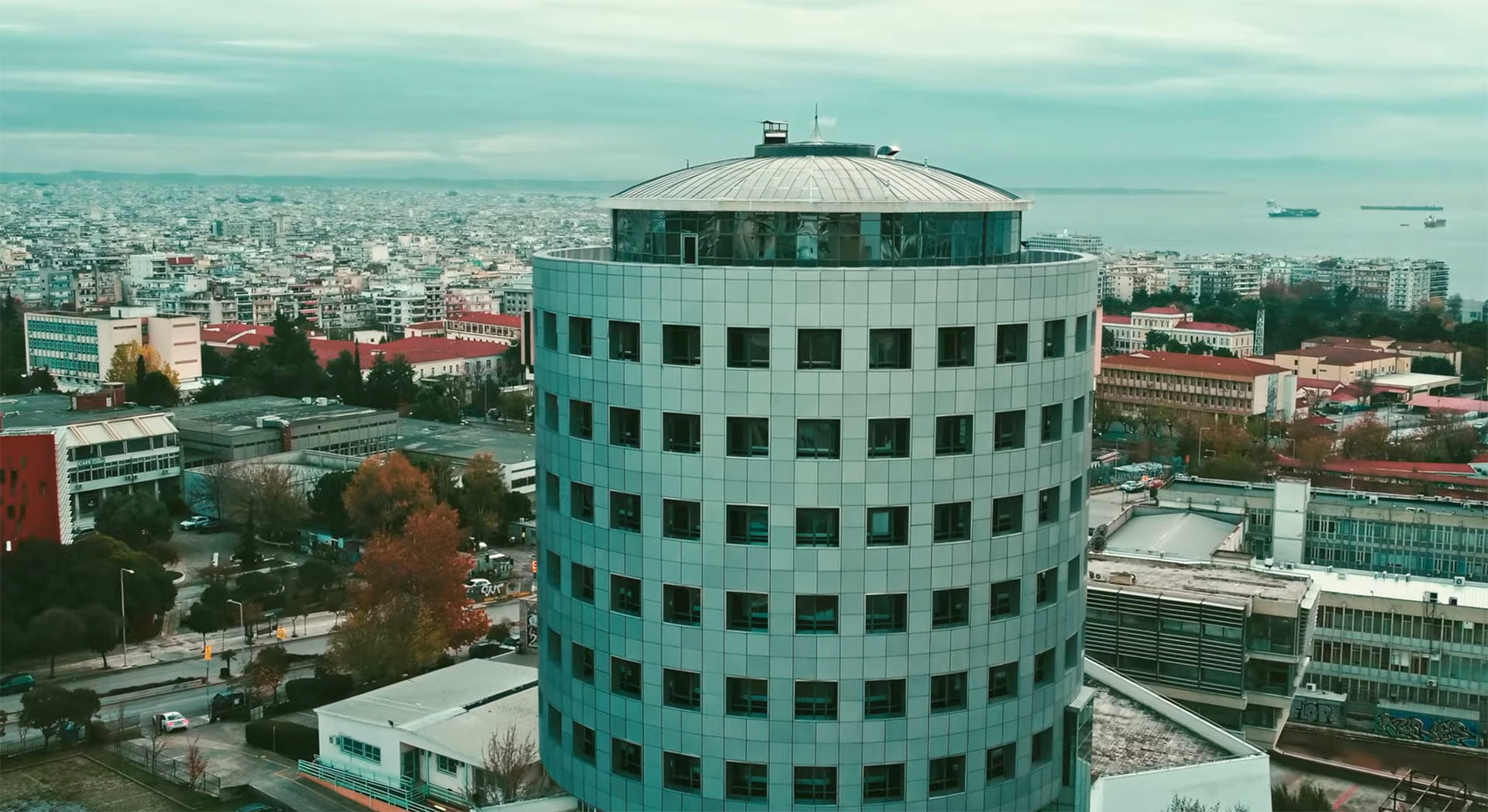
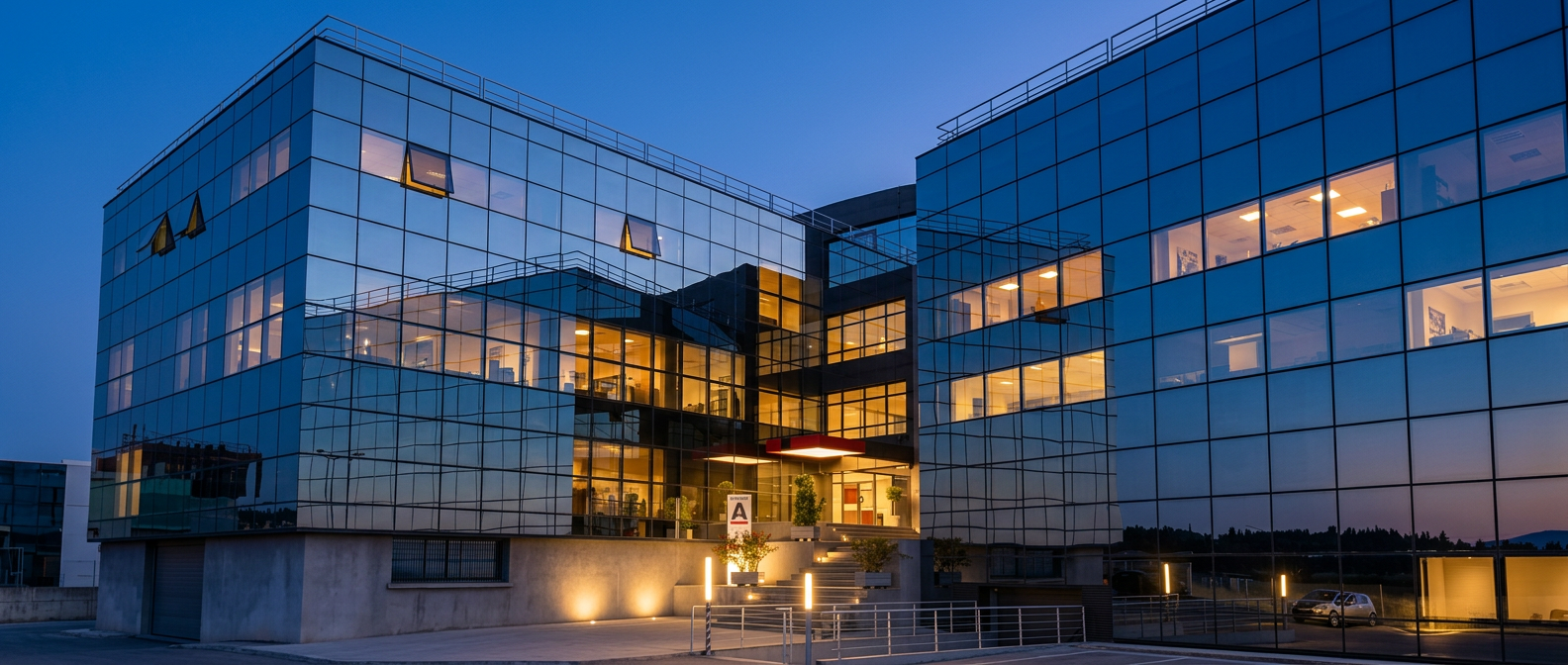
All 17 participating laboratories.
The programme draws on laboratories across its three partner Schools — Mechanical Engineering, Chemistry and Agriculture. All are accessible to students as part of the curriculum, with extended access for thesis research in the final year.
Physical Metallurgy
Laboratory.
One of AUTh's most internationally connected research labs, directed by Prof. Nikolaos Michailidis, a CIRP Fellow. Its work on additive manufacturing, metallic foams, functional coatings, nanomaterials and life-cycle assessment feeds directly into the energy materials and components at the core of the clean-energy transition.
Everything you need to study, beyond the lab bench.
Alongside the research laboratories, students have full access to AUTh's libraries, reading rooms and digital services — on campus and across the city.
See it all on the AUTh campus map.
Every building, library, computer island and WiFi point on the Aristotle University campus, on one interactive map from the University's Electronic Governance Centre — so you can place each lab and facility before you ever set foot here.
Open the campus map