The researchers who will teach you — and work alongside you.
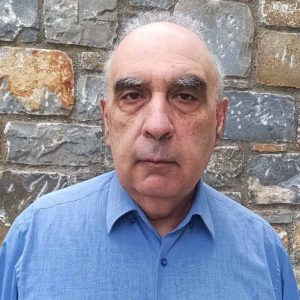
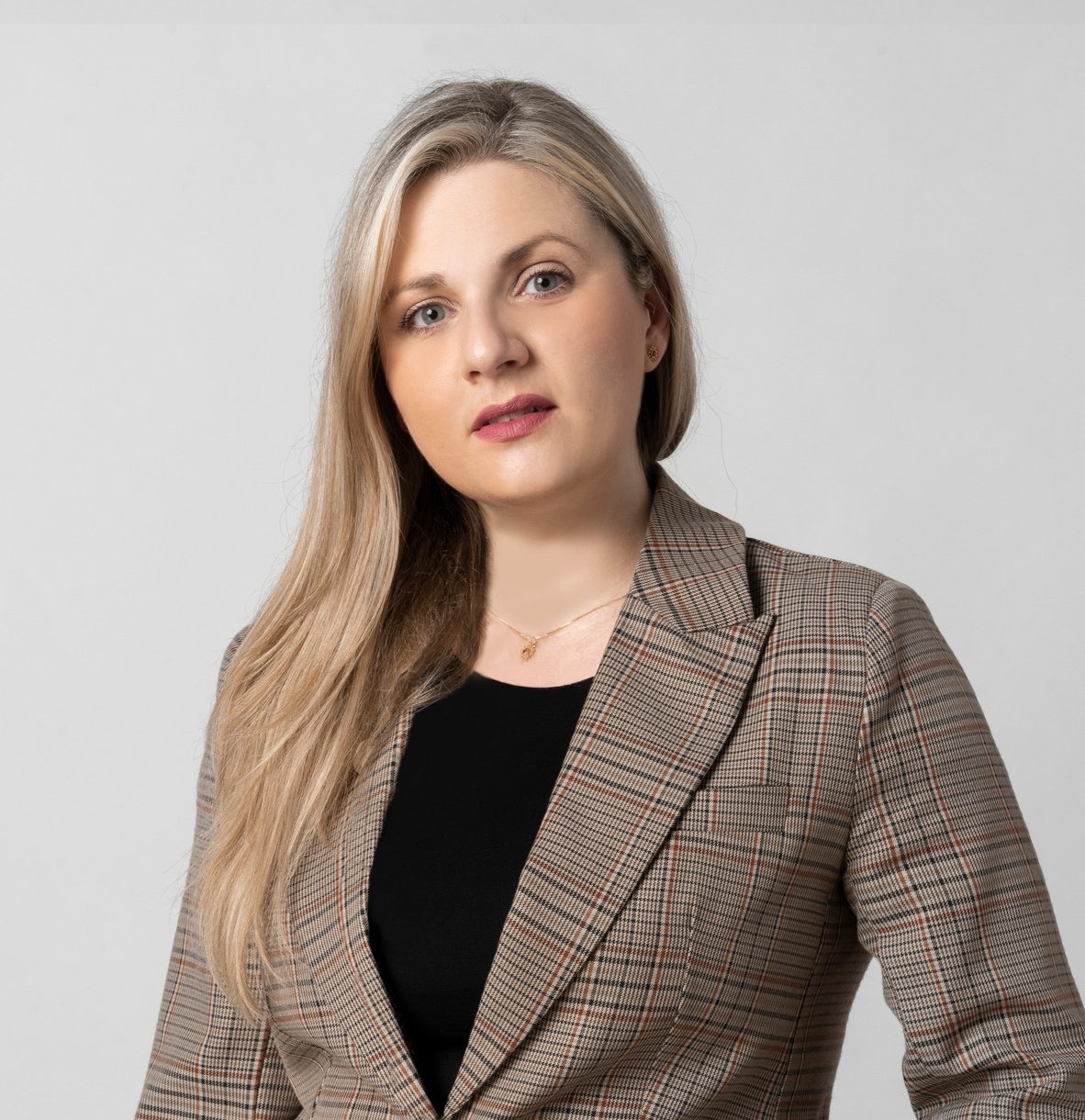
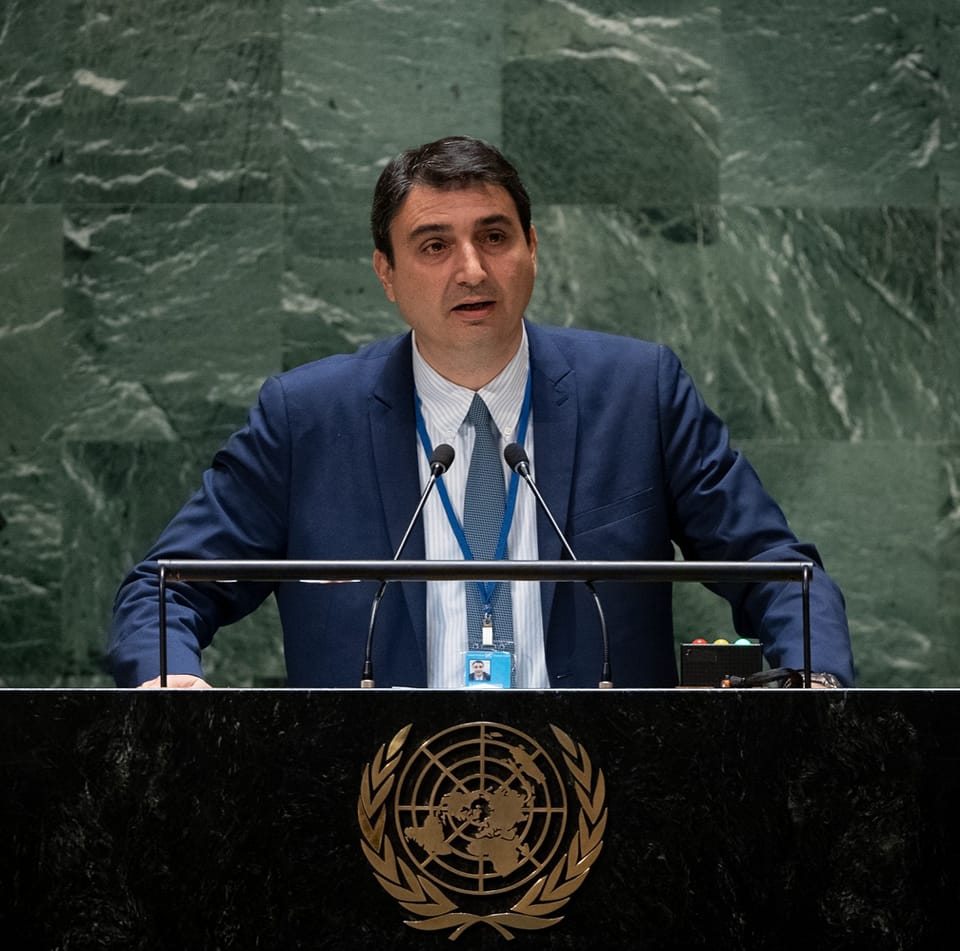
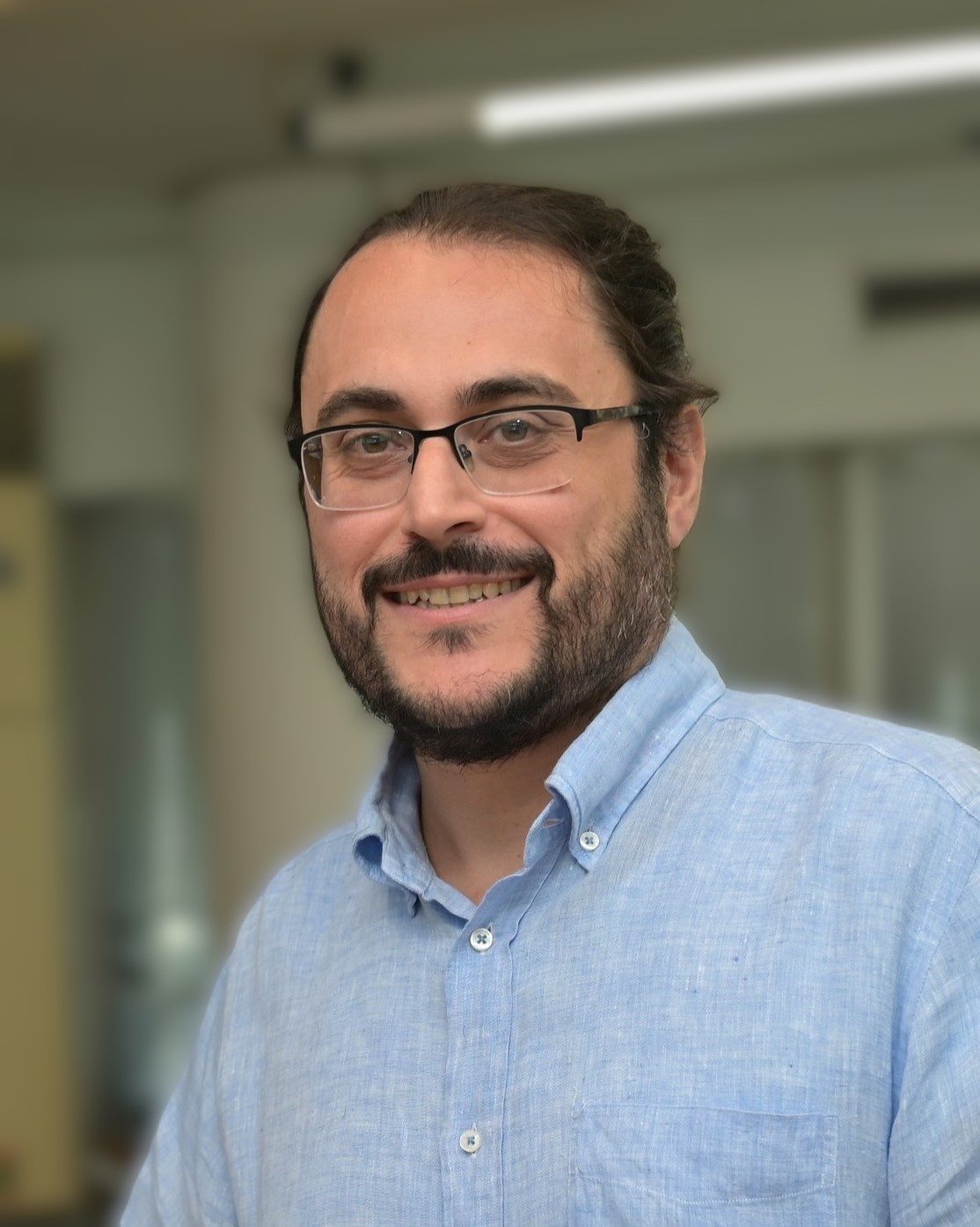
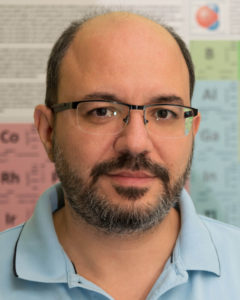
The programme draws its teaching staff from six AUTh Schools and departments — Chemistry, Mechanical Engineering, Agriculture, Electrical & Computer Engineering, Chemical Engineering and Economics — all active researchers across the science and engineering of clean energy.
The science of energy conversion and storage.
Chemistry anchors the programme's scientific core — physical chemistry and electrochemistry for batteries, fuel cells and electrolysers; analytical and environmental chemistry; and quantum and computational chemistry for materials discovery. Seventeen faculty teach across the four years.
From energy systems to industrial plant design.
Mechanical Engineering brings the programme its engineering backbone — thermodynamics and fluid mechanics, turbomachinery, energy-systems and process-equipment design, sustainable engineering and industrial management. Fifteen faculty span the Energy and Design & Structures divisions.







Bioenergy and the rural energy transition.
The School of Agriculture contributes expertise in alternative energy sources in agriculture, agricultural hydraulics and structures, soil science, and the economics and sociology of the rural energy transition. Seven faculty teach within the programme.


Electrical, chemical and economic engineering of energy.
Beyond the three core Schools, the programme draws specialists from Electrical & Computer Engineering (electrical energy and telecommunications), Chemical Engineering (process systems and applied thermodynamics) and Economics (energy economics). Seven contributing faculty in total.